Multidisciplinary
Theatre Team
Within theatres we employ over 320 staff, offering the opportunity to be part of a skilled, supportive, and compassionate multidisciplinary team. Our perioperative workforce brings together a wide range of professional roles, each contributing to safe and effective surgical care for our patients.
Roles and responsibilities
Consultant Surgeons
Consultant surgeons lead the operative procedure and are responsible for overall patient outcomes in theatre. They perform surgery, make clinical decisions, supervise trainees, and work closely with the entire multidisciplinary team to ensure the procedure is safe, efficient, and patient‑centred.
Specialty Trainee in Surgery (ST1–ST8)
Surgical trainees develop operative skills under supervision, assist during procedures, and participate in pre‑ and post‑operative care. They learn sterile technique, patient assessment, procedural anatomy, and contribute to the flow and safety of the theatre list.
Consultant Anaesthetist
Anaesthetists are responsible for the patient’s physiological stability and comfort before, during, and after surgery. They manage airway, breathing, circulation, analgesia, and sedation while monitoring vital signs throughout the procedure. They also lead emergency responses in theatres.
Specialty Trainee in Anaesthetics
Anaesthetic trainees support the consultant in delivering safe anaesthesia, performing induction, airway management, IV access, and perioperative monitoring. They learn advanced skills, crisis management, and contribute to recovery planning.
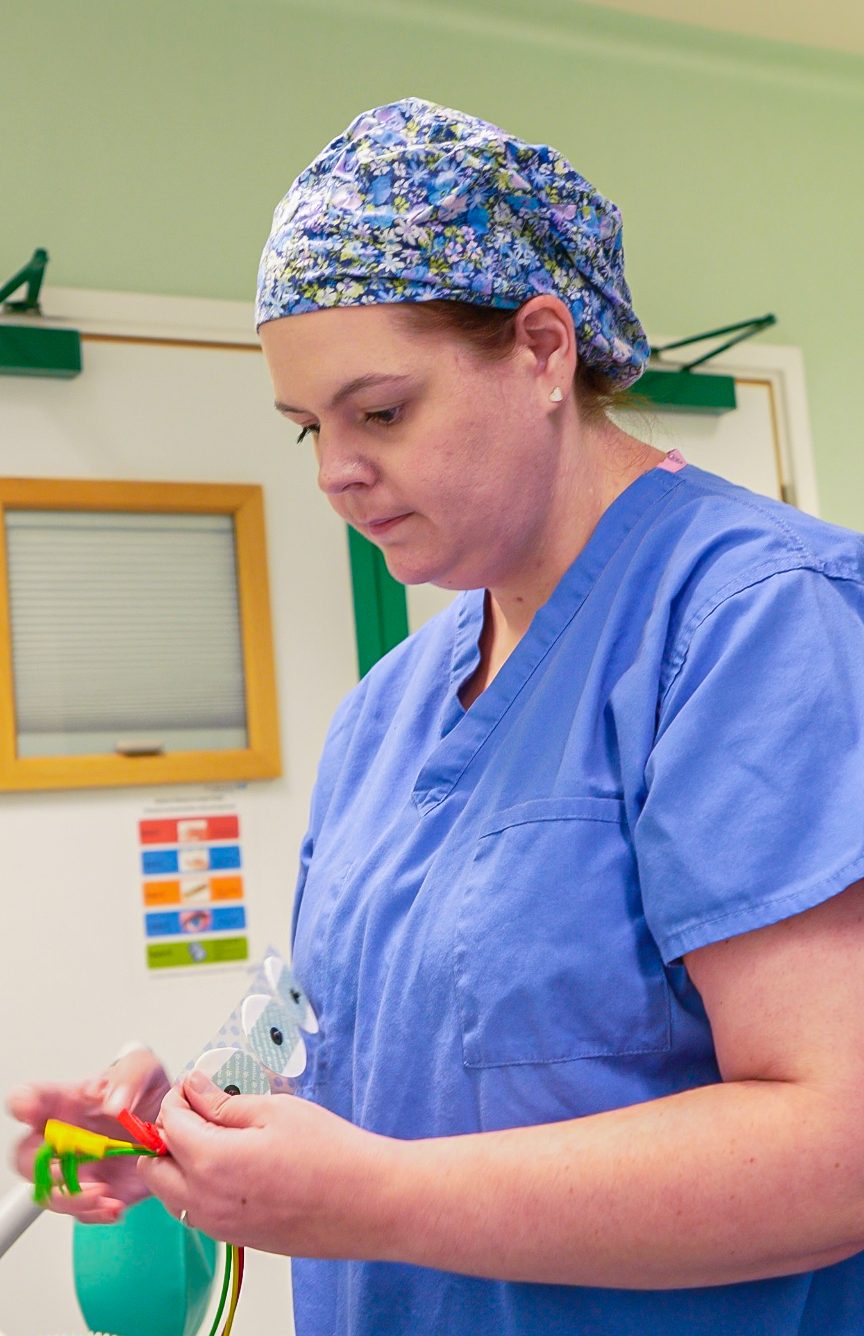
Operating Department Practitioner (ODP)
ODPs work across the three perioperative phases (anaesthetics, scrub or recovery). They ensure safety, communication, and smooth running of the theatre list.
Anaesthetics: prepare equipment, assist with airway management, monitoring, and induction.
Scrub: set up instruments, maintain sterility, anticipate surgical needs.
Recovery: monitor patients post‑anaesthetic, support airway and pain management.
OUR PEOPLE, THEIR INSIGHTS – ELLIE
Ellie talks about her experiences as an operating department practitioner (ODP) at The Dudley Group.
https://vimeo.com/1090873891/c943057ee3?share=copy&fl=cl&fe=ci
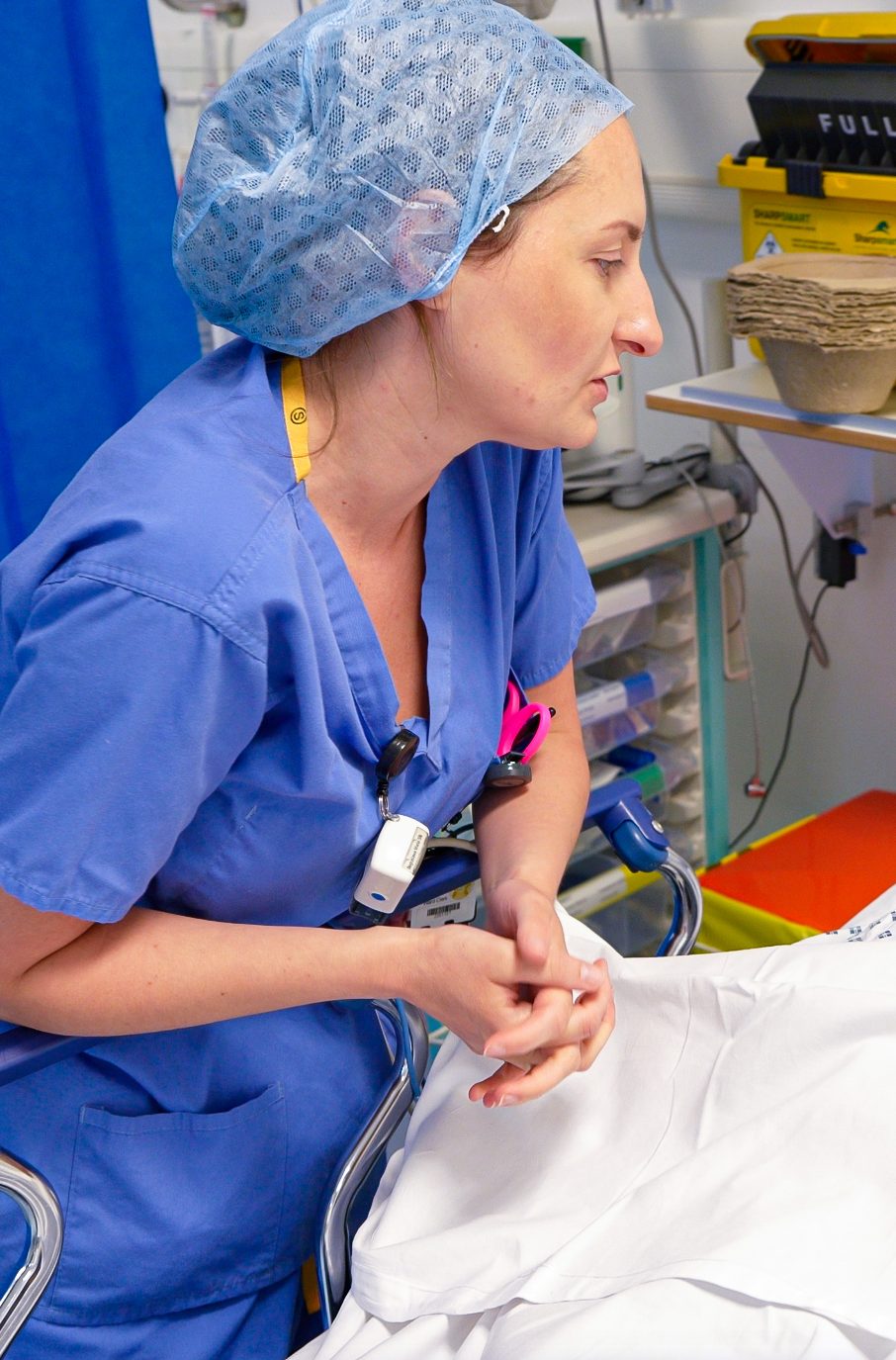
Scrub Nurse / Theatre Nurse
Scrub nurses prepare surgical instruments, maintain sterile fields, assist surgeons, complete instrument counts, and uphold surgical safety standards. They are essential for ensuring sterility, accuracy, and safe surgical flow throughout the case.
Nursing Associate (NA)
Nursing associates support registered practitioners by helping prepare patients, carrying out positioning and safety checks, and assisting during procedures where appropriate. They contribute to infection prevention, equipment readiness, patient reassurance, and monitoring duties depending on competency. The role offers progression toward registered nursing.
OUR PEOPLE, THEIR INSIGHTS – MARIA
Maria talks about her experiences as a nursing associate at The Dudley Group.
https://vimeo.com/1090873560/fa8de493d7?tq=maria#t=1
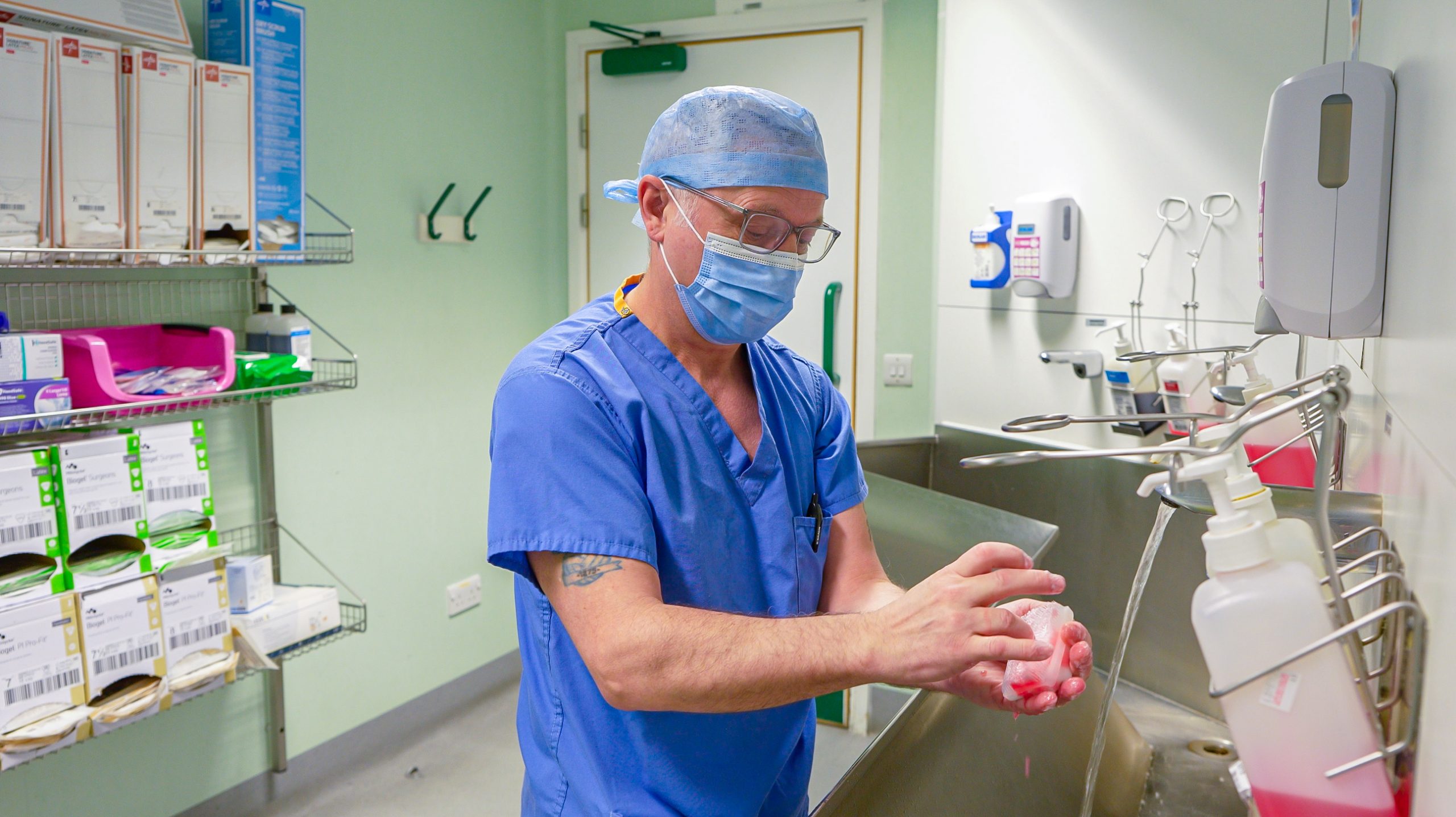
Assistant Theatre Practitioner (ATP)
ATPs support all areas of the perioperative environment. They prepare equipment, assist with positioning, maintain cleanliness and organisation, and help keep theatre lists running safely and efficiently. They work alongside registered staff and gain strong foundational skills for further perioperative progression.
OUR PEOPLE, THEIR INSIGHTS – PETER
Peter talks about his experiences as an assistant theatre practitioner (ATP) at The Dudley Group.
https://vimeo.com/1090874663/164ae2c4ea
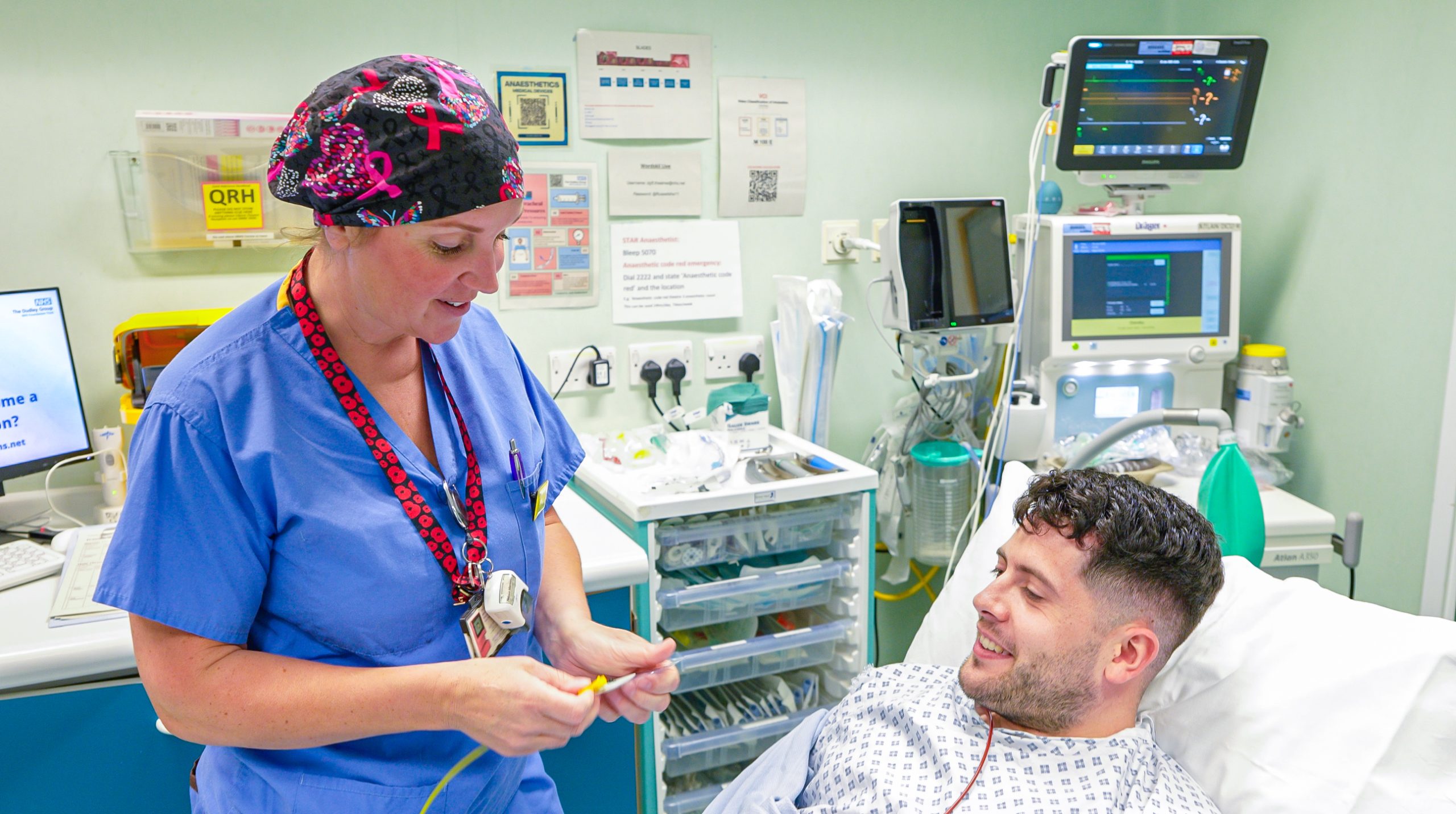
Theatre Support Worker (TSW) / Healthcare Assistant (HCA)
TSWs assist with patient transfers, movement within the department, equipment preparation, cleaning between cases, and stock management. They provide essential practical support, maintain theatre readiness, and uphold infection‑prevention standards.
OUR PEOPLE, THEIR INSIGHTS – NATALIE
Natalie talks about her experiences as a theatre support worker (TSW) at The Dudley Group.
https://vimeo.com/1090872243/8a1518efa4?tq=natalie#t=0
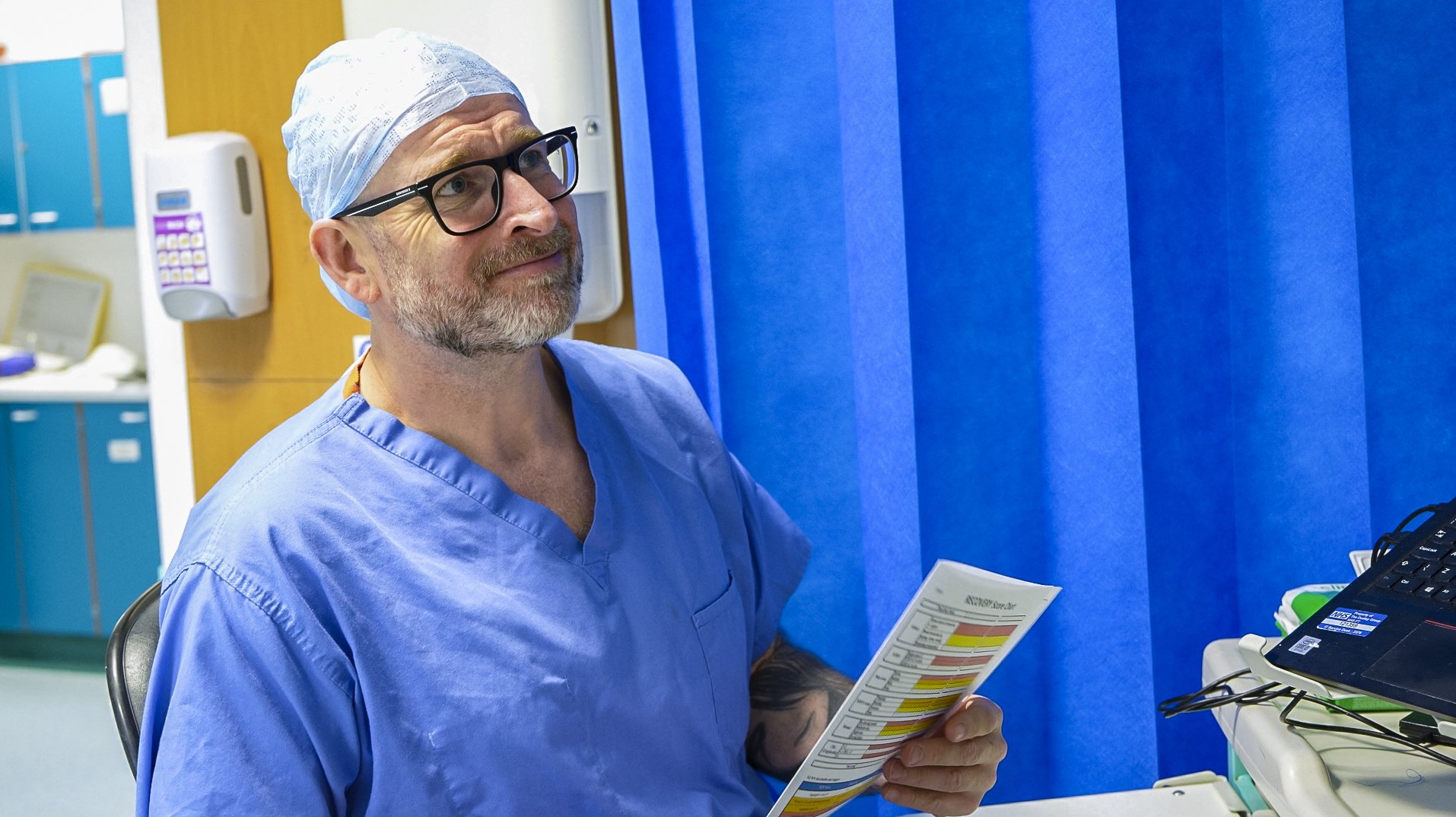
Recovery Practitioner (PACU)
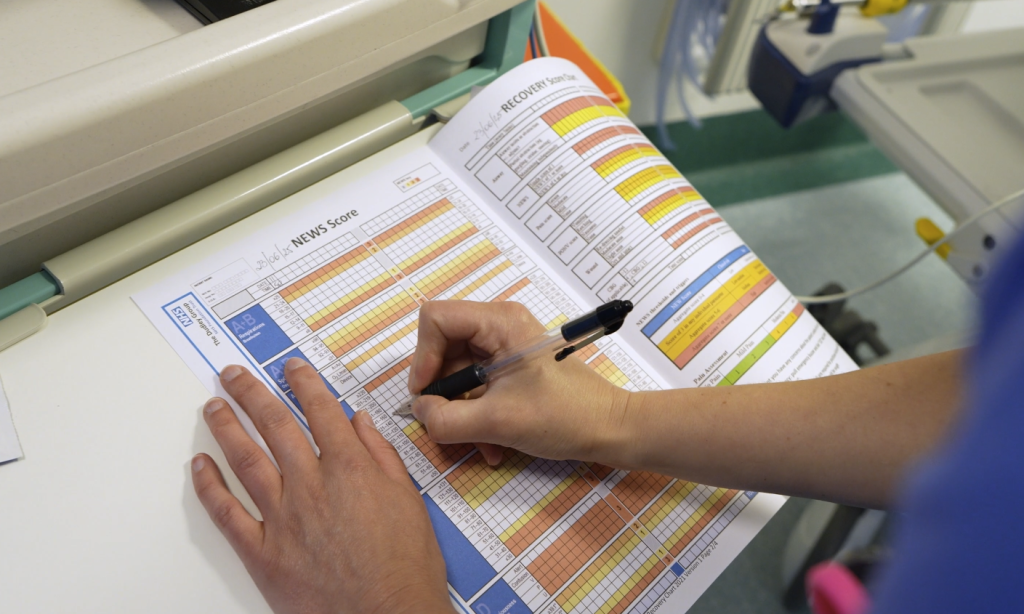
Recovery practitioners monitor patients in the immediate post‑operative phase, manage airways and pain control, perform observations, and react to changes in patient condition. They ensure safe transition from anaesthesia to ward or discharge.
OUR PEOPLE, THEIR INSIGHTS – MATT
Matt talks about his experiences as a recovery practitioner (PACU) at The Dudley Group.
https://vimeo.com/1090872785/53d8710555
Education, Training & Professional Development
The Dudley Group is committed to growing, supporting, and developing our theatre workforce. We offer a wide range of educational opportunities for:
New and Student Practitioners
- Clinical placements for ODP students
- Undergraduate and postgraduate nursing placements
- Undergraduate midwifery and paramedic placements
- Undergraduate and postgraduate medical placements
- Structured induction programmes
- Skills‑based workshops

Existing Staff
- Continuing Professional Development (CPD) sessions
- Mandatory and statutory training
- Specialist skills courses (e.g., scrub skills, anaesthetics competencies)
- Leadership and advanced practice pathways
Working together in Theatres

“Our operating theatres provide a dynamic and rewarding environment…”
Our operating theatres bring together diverse expertise, shared values, and a strong culture of teamwork. Whether in anaesthetics, scrub, recovery, or support roles, each member of the MDT contributes to:
- Safe, high-quality care
- Positive patient experiences
- Continuous learning and improvement
- A supportive and inclusive working environment
Innovation and Quality Improvement
Our theatre teams are actively involved in quality improvement projects aimed at enhancing safety, efficiency, and patient experience.
This includes:
- Theatre utilisation and productivity initiatives
- Enhanced recovery after surgery (ERAS) programmes
- Digital documentation improvements
- Environmental sustainability efforts within theatres
We welcome staff contributions to audits, research projects, and service development activities.
Working in Our Theatres
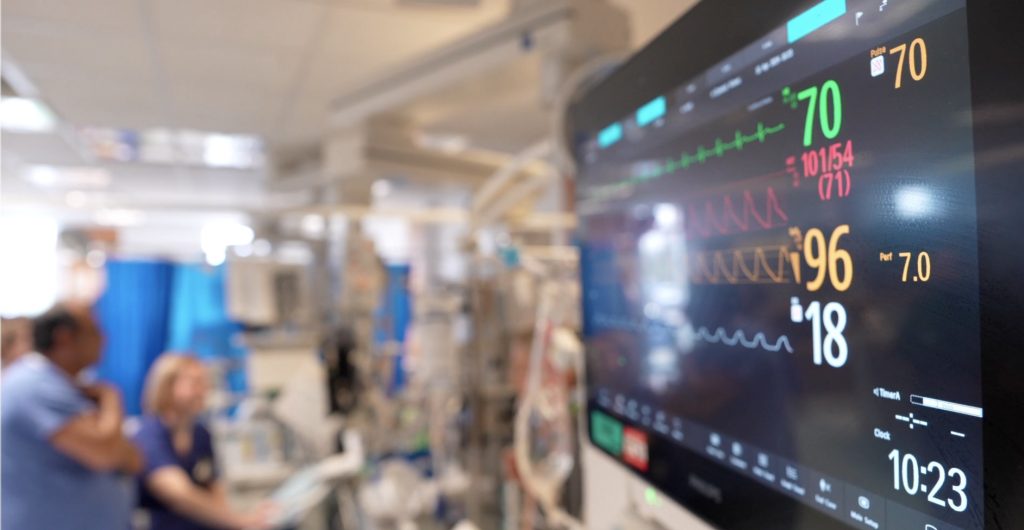
Our operating theatres provide a dynamic and rewarding environment, ideal for individuals interested in:
- Complex and varied clinical practice
- Fast‑paced teamwork
- Technical and procedural skills
- Opportunities for career progression
Whether you are an experienced clinician, newly qualified practitioner, or exploring a career in perioperative care, our teams offer a supportive and inclusive place to grow.
LINKS TO ESSENTIAL DOCUMENTS
Below are some useful website links that can help and support your training.

Royal College of Surgeons Learning in Operating Theatres

Twelve Tips for Maximising
Learning in the Operating Theatre

NHS England – Theatres, Surgery and Perioperative Care
Improvement Guide
Association for Perioperative Practice
Perioperative Learning Resources
RCN Education Framework for
Operating Theatre Nursing
College of
Operating Department Practitioners